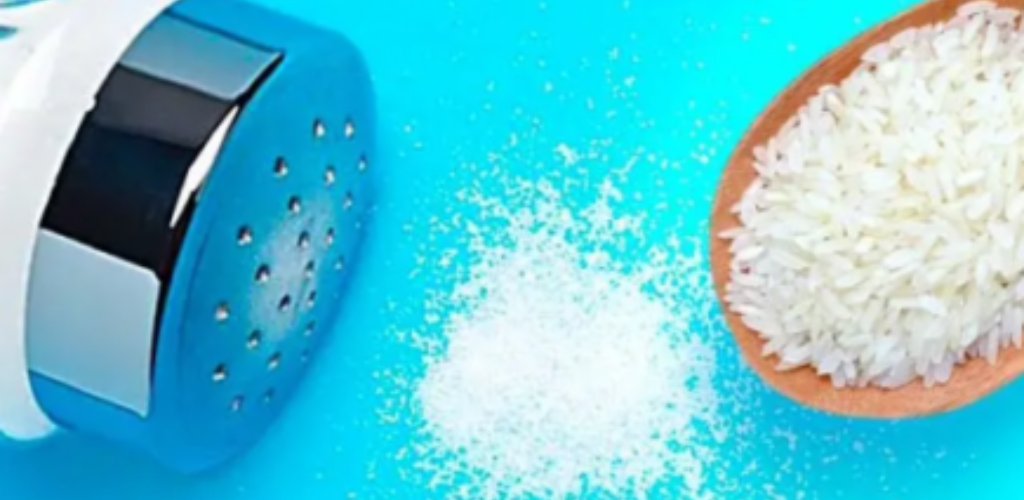

Some foods you use in the kitchen every day may not be moisture resistant. Even if you store them in a dry and temperate place, you will always find them damaged by moisture. To remedy this, you can store them in airtight containers, which better protect them from external influences and humidity. Proper storage of food is important to extend its shelf life, avoid contamination by microbes and thus preserve its nutritional values. Here’s a tip for limiting moisture production in your salt or sugar bowl. Salt and sugar are very sensitive to moisture and tend to absorb it naturally. Have you discovered a trick to combat humidity in salt and sugar shakers? Salt shaker Some foods are more sensitive to moisture than others. This is the case with sugar and salt, which are excellent absorbents and tend to stick together when wet. When the salt gets wet, it hardens, it no longer goes into the salt shaker and you can no longer help yourself when eating. It’s the same phenomenon with sugar, it solidifies and you can no longer use the sugar bowl properly. To solve these moisture problems, these foods need to be stored well, but even if they are stored well, they end up getting soggy. To prevent the salt and sugar from getting wet, place a few dry grains of rice at the bottom of the salt shaker and sugar bowl. Due to its strong absorption, rice must absorb all the moisture from the salt shaker or sugar bowl and has a long shelf life. Here are more tips for combating moisture in food. Food Preservation Even if you store food properly in your kitchen, it can become damp over time. Here are some tips to counteract this phenomenon. – Combat moisture in cookies Preserving cookies Have you made cookies for a snack and they tend to soften in the humidity? Try this trick. To preserve your cookies well, store them in a metal box, they will last a few days. – To protect cheese from moisture If you don’t want your favorite cheese to fill your fridge with a musty smell, store it in an airtight container along with a sugar cube to absorb the moisture in the fridge. – To combat moisture in your seasonings If your seasonings tend to clump, it is definitely because they have absorbed moisture. To avoid this, do not place spices near water sources or stoves. Water and heat can cause moisture in spice bottles. It is also not recommended to stick wet fingers into spice jars. – To combat moisture in fruits and vegetables To preserve fruits and vegetables well, avoid washing them beforehand. By keeping them submerged, they absorb moisture and grow bacteria. For fruits and vegetables that you put in the refrigerator, remember to line the container with absorbent paper to absorb all the moisture. Proper food storage is important to prevent bacteria from multiplying due to moisture. This extends the shelf life of your food and prevents you from having to throw it in the trash when it becomes moldy.