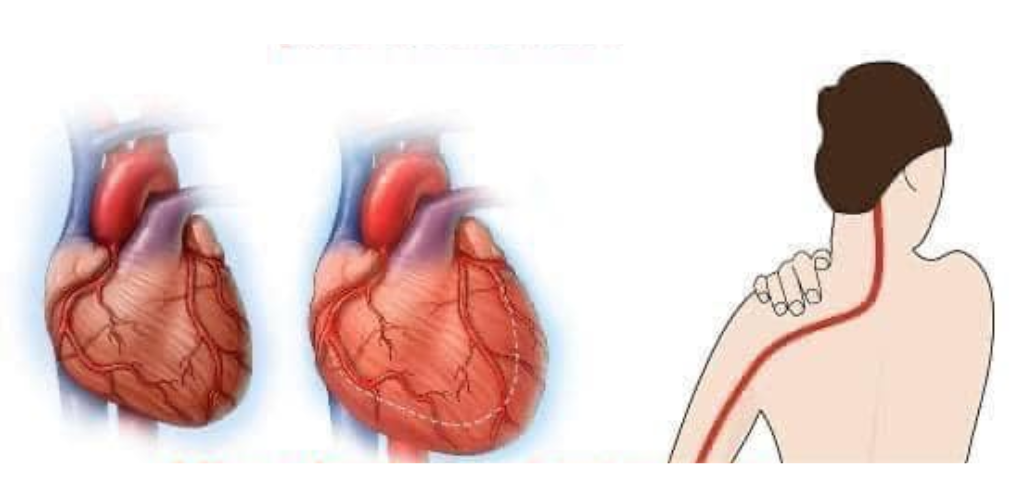
A healthy heart is essential to provide the oxygen and nutrients that our body needs. But how do you know if you are healthy? Here are some guidelines to help you identify if your cardiovascular system is working properly and what symptoms might indicate that something is wrong with your heart.
One of the signs of a healthy heart is that it interacts correctly with the other organs of the body, such as the lung and kidney, pumping oxygenated blood effectively. When this conduction process is not carried out correctly, symptoms begin to appear that may indicate the presence of cardiovascular disease.
Warning Signs and Symptoms of Heart Disease
Heart disease often develops over time. You may have the first signs or symptoms long before you have serious heart problems. Or you may not realize you are developing heart disease. The warning signs of heart disease may not be obvious. Also, not all people have the same symptoms.
Some symptoms, such as chest pain, swollen ankles, and difficulty breathing, can be signs that something is wrong. Knowing the warning signs can help you prevent a heart attack or stroke.
Alternate Names
Angina – warning signs of heart disease; Chest pain – warning signs of heart disease; Dyspnea – warning signs of heart disease; Edema – warning signs of heart disease; Palpitations – warning signs of heart disease
Chest Pain
Chest pain is discomfort or pain you feel along the front of your body, between your neck and upper abdomen. There are many causes of chest pain that have nothing to do with your heart.
But chest pain remains the most common symptom of poor blood flow to the heart or a heart attack. This type of chest pain is known as angina.
Chest pain can occur when the heart is not receiving enough blood or oxygen. The amount and type of pain can vary from person to person. The intensity of the pain is not always related to how serious the problem is.
Some people may feel excruciating pain, while others may feel only mild discomfort.
You may feel heaviness in your chest or feel like someone is pressing on your heart. You may also feel a sharp, burning pain in your chest.
You may feel pain under your breastbone or in your neck, arms, stomach, jaw, or upper back.
The chest pain of angina often occurs with activity or emotion, and goes away with rest or a medicine called nitroglycerin.
Severe indigestion can also cause chest pain.
Women, older adults, and people with diabetes may have little or no chest pain. Some people have symptoms other than chest pain, such as:
Fatigue
Shortness of breath
General weakness
Changes in skin color or grayish paleness (episodes of skin changes associated with weakness)
Other heart attack symptoms may include:
Extreme anxiety
Fainting or losing consciousness
Dizziness or lightheadedness
Nausea or vomiting
Palpitations (feeling like your heart is beating too fast or irregularly)
Difficulty breathing
Sweating, which may be very intense
Difficulty breathing
When the heart cannot pump blood As well as it should, the blood returns in the veins that go from the lungs to the heart. Fluid leaks into the lungs and causes difficulty breathing. This is a symptom of heart failure.
You may notice difficulty breathing:
During activity
While you are resting
When you lie on your back, it may even wake you up while you are sleeping
Coughing or wheezing
Coughing or wheezing that doesn’t go away may be signs that fluid is building up in your lungs. You may also cough up mucus that is pink or bloody.
Swelling of the legs, ankles, or feet
Swelling (edema) in the lower legs is another sign of a heart problem. When your heart doesn’t work as well, blood flow slows and backs up into the veins in your legs. This causes fluid to build up in your tissues.
You may also have inflammation in your stomach or notice some weight gain.
Narrowed blood vessels
Narrowing of the blood vessels that carry blood to other parts of the body could mean you have a much higher risk of having a heart attack. This can occur when cholesterol and other fatty material (plaque) build up on the walls of your arteries.
Poor blood supply to the legs can cause:
Pain, discomfort, fatigue, burning, or discomfort in the muscles of your feet, calves, or thighs.
Symptoms that often appear while walking or exercising, and disappear after several minutes of rest.
Numbness in the legs or feet when at rest. Your legs may also feel cold to the touch and your skin may look pale.
A stroke occurs when blood flow to a part of the brain stops. It is sometimes called a “brain attack.” Symptoms of a stroke may include difficulty moving limbs on one side of the body, drooping on one side of the face, difficulty speaking or understanding language.
Fatigue
Fatigue can have many causes. Sometimes it just means you need more rest. But feeling exhausted can be a sign of a more serious problem. Fatigue can be a sign of heart problems when:
You feel more tired than normal. It is common for women to feel very tired before or during a heart attack.
You feel so tired that you cannot do your normal daily activities.
You have sudden, intense weakness.
Fast or irregular heartbeat (palpitations)
If your heart can’t pump blood as well, it may beat faster to try to keep up. You may feel your heart beating fast or pounding. A fast or irregular heartbeat can also be a sign of an arrhythmia. This is a problem with your heart rate or rhythm.
When to call your doctor
If you have any symptoms of heart disease, call your healthcare provider right away. Don’t wait to see if the symptoms go away or ignore them as if they were nothing.
Call 911 or your local emergency number if:
You have chest pain or other symptoms of a heart attack
You know you have angina and you have chest pain that does not go away after 5 minutes of rest or after taking nitroglycerin
You think you may be having a heart attack
You have extreme difficulty breathing
You think there may be lost consciousness